Lisbon’s Design Museum Reopens
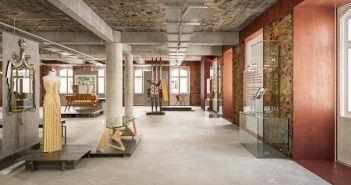
The Design Museum MUDE reopens in July 2024 with its Building on Exhibition. From October, the long-term exhibition will offer opportunities to explore the history of design.

The Design Museum MUDE reopens in July 2024 with its Building on Exhibition. From October, the long-term exhibition will offer opportunities to explore the history of design.

While you can go for dinner and fado in the old neighbourhoods of Lisbon, you can also listen to the traditional music of Portugal in Amália’s former house. The intimate fado show is performed by professional singers and musicians in the garden.

Lisbon’s water provider company celebrates its 150th anniversary this year. As part of the celebrations, all visitors to the Water Museum will enjoy free admission on weekends throughout the year.

Lisbon has several great museums and some are among the city’s main attractions. These are the best for an immersive experience introducing visitors to the Portuguese history and culture while visiting Lisbon.

The Museu Berardo of modern and contemporary art is among the best museums in Lisbon. Don’t miss it if you’re in the Belém area. Admission is free on Saturday all day.

Set on the River Tejo’s edge in Belém, MAAT deals with contemporary art, while the next door Power Station is one of Portugal’s most prominent examples of industrial architecture from the beginning of the 20th century. The views from the undulating rooftop are amazing.

One of the largest collections of vehicles in the world can be seen at Lisbon’s Coach Museum in Belém. Beautifully painted carriages and coaches dating from the sixteenth to nineteenth centuries are housed in a minimalist building.

Gulbenkian is an unmissable attraction in Lisbon. The Museum’s collection is of the highest quality, and covers an impressive range of periods and areas. For some Portuguese contemporary art, visit the Modern Art Centre. If you have the time, the Gulbenkian gardens are a great place for a picnic.

A visit to the Fado Museum gives you an insight into Lisbon’s culture, and the Alfama neighbourhood where the genre was born. It’s a great opportunity to sample some of the best fado voices, and learn about the fado history and the instruments it uses.

The MUDE museum celebrates design and fashion with a collection of 2500 pieces. Fashion lovers will not want to miss haute couture from the 1930s and 1940s, street fashion from the 1960s and brands from the 1990s.

The Museu do Chiado’s permanent collection includes contemporary Portuguese art as well as important sculptures by Rodin, Bourdelle and Joseph Bernard.